
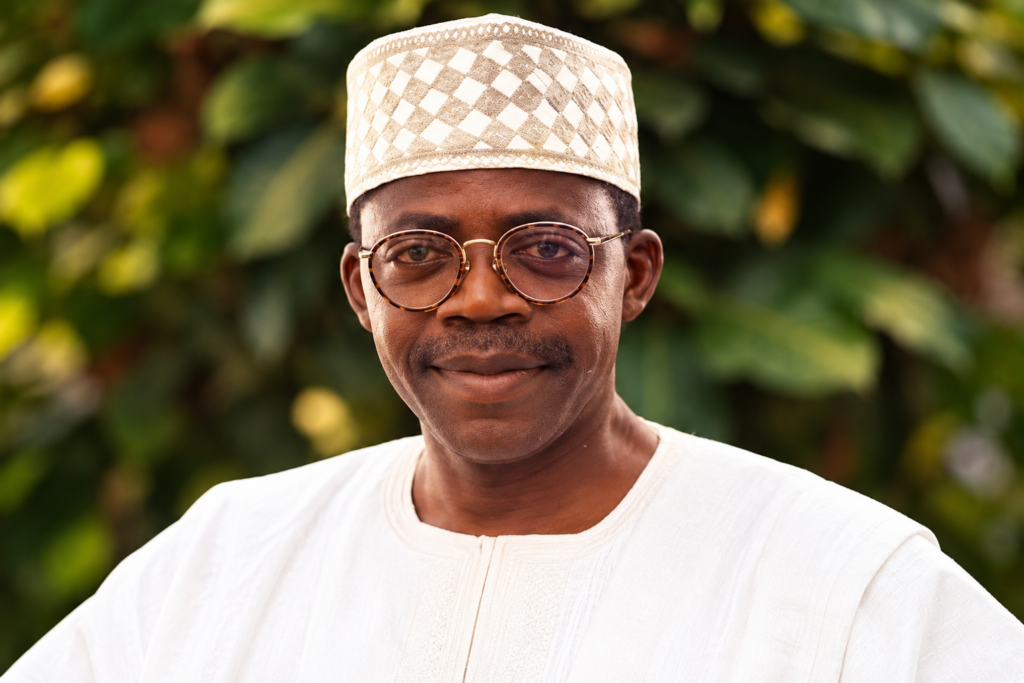
Bola Ahmed Tinubu: The Man Behind Nigeria’s Presidency — From Lagos Roots to Aso Rock
Bola Ahmed Tinubu’s journey to Nigeria’s presidency did not happen overnight. Before moving into Aso Rock, he worked in business, served in the Senate, joined the struggle for a return to democracy and spent eight years leading Lagos State. Today, his story is closely tied to some of the biggest political and economic debates in Nigeria.
Here’s how his early life, career and political choices helped shape the man Nigerians know today.
Early Life and Education
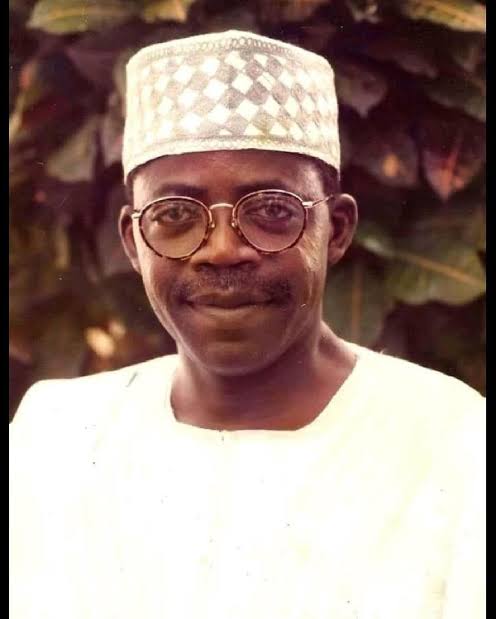
Bola Ahmed Tinubu was born on March 29, 1952, in Lagos. The APC’s official biography describes him as belonging to the Tinubu family of Lagos State, so his roots are commonly identified with Lagos. It is useful to distinguish his birthplace and family background from claims about ancestral origin. As a young man, he travelled to the United States to continue his education, attending Richard J. Daley College before graduating from Chicago State University in 1979 with a degree in Business Administration, with a focus on accounting and management.
Before politics became his main calling, Tinubu built a career in accounting and corporate management.
From Corporate Work to Politics
Tinubu worked in the United States for companies including Arthur Andersen, Deloitte and GTE. Back in Nigeria, he joined Mobil Producing Nigeria in 1983 and rose to become the company’s treasurer. That business experience came before his rise to national political prominence.
In 1992, he was elected senator representing Lagos West under the Social Democratic Party during Nigeria’s short-lived Third Republic. His time in the Senate was cut short by the political crisis that followed the annulment of the June 12, 1993 presidential election.
Pro-Democracy Activism and Exile
The annulment of the June 12, 1993 presidential election became a turning point in Tinubu’s political life. He joined the National Democratic Coalition (NADECO), a group that pushed for democracy and recognition of the election. During General Sani Abacha’s military rule, Tinubu went into exile in 1994. He returned in 1998, after Abacha’s death, as Nigeria prepared to return to civilian government.
Eight Years as Lagos State Governor
In 1999, Tinubu was elected governor of Lagos State. He served two terms, leaving office in 2007. His government worked to increase the state’s internally generated revenue, improve tax collection, develop infrastructure and reform public institutions.
Supporters say those changes helped give Lagos a stronger financial and administrative base for future growth. Critics, however, question the political networks and influence that grew around him. Both views remain part of the debate over Tinubu’s time in Lagos.
Building a National Political Platform
After leaving office, Tinubu remained a prominent opposition figure. He played a major role in building alliances among opposition parties that led to the formation of the All Progressives Congress (APC) in 2013. The APC defeated the incumbent party in the 2015 presidential election, marking Nigeria’s first transfer of power from a ruling party to an opposition party through the ballot box.
Tinubu became known as one of the coalition’s influential organisers. The APC’s victory, however, also depended on the wider alliance of political leaders and the voters who backed it.
Election as President of Nigeria
Tinubu won the 2023 presidential election as the APC candidate and was sworn in as Nigeria’s 16th president on May 29, 2023. His administration introduced major economic changes, including ending the petrol subsidy and reforming the foreign-exchange system. The government has argued that these steps are intended to reduce fiscal pressure and improve economic stability.
The changes have also been painful for many households and businesses, with transport and everyday living costs rising. Supporters argue that the reforms address long-standing economic problems; critics say more should be done to protect struggling Nigerians and show when the benefits will reach them.
Family, Public Image and Political Legacy
Tinubu is married to Oluremi Tinubu, who represents Lagos Central in the Senate and became Nigeria’s First Lady when he assumed office. Over several decades, Tinubu has developed a reputation as a powerful political organiser with influence across party structures, especially in Lagos and the APC.
For supporters, Tinubu is an experienced political organiser who knows how to build alliances and govern. For critics, the big questions concern the cost of his economic policies, the reach of his political influence and how long ordinary Nigerians must wait to feel a real improvement in their lives.
What to Know About Bola Ahmed Tinubu
- Full name: Bola Ahmed Adekunle Tinubu
- Date of birth: March 29, 1952
- Place of birth: Lagos, Nigeria
- Profession before politics: Accountant and corporate executive
- Senator: Lagos West, elected in 1992
- Governor: Lagos State, 1999–2007
- Political party: All Progressives Congress (APC)
- President of Nigeria: Sworn in May 29, 2023
Bola Ahmed Tinubu’s biography reflects several defining chapters in Nigeria’s recent political history: the struggle to restore democracy after the annulment of the June 12 election, the return to civilian rule in 1999, the creation of a strong opposition coalition and the economic choices made since 2023. His place in history will be judged not only by political victories, but also by how governance affects Nigerians’ livelihoods, public services and confidence in the future.
Sources for further reading: The State House biography of President Tinubu; University of Ilorin profile; APC biography.
Plus Media TV brings readers biographies and explainers on the people shaping Nigeria.